
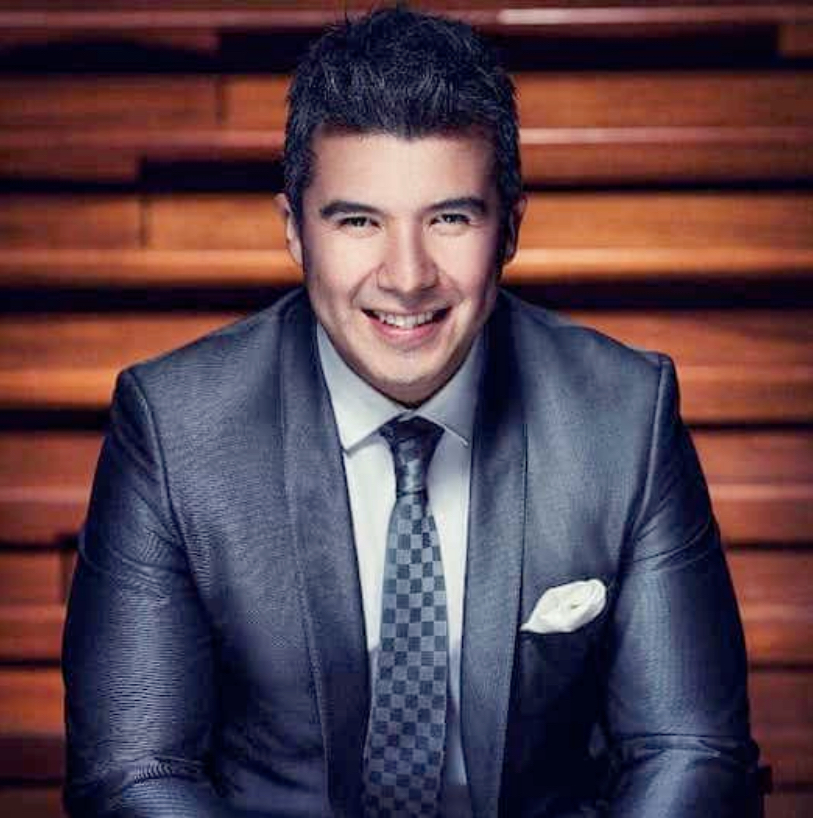
This article begins a series about what I have learned as a plastic surgeon and how my approach to each procedure has changed. Before discussing techniques, I want to share the principles behind those decisions.
A doctor before a surgeon
Cosmetic surgery is still surgery. My first responsibility is your health, before the aesthetic result. Everything else rests on that foundation.
Trends pass. Results remain.
Tastes and trends in plastic surgery change constantly. What is fashionable today may look out of place in a few years. My focus is on safe, stable results over the long term, rather than the trend of the moment.
A good result is measured over the years
What is the value of a spectacular result if it fades within a couple of years and another operation is needed? I judge a result by how it holds up over time, not how it looks at the first follow-up.
The same applies to combining many procedures in one operation. It may seem to avoid another anesthetic, but longer surgery makes recovery harder, and evidence shows the complication risk increases with each hour in the operating room. When a plan would take too long, I prefer to divide it into two operations.
Learning from what didn't go well
We learn more from mistakes than successes. I count as a mistake any result that does not satisfy me in the long term, and any patient who needs another operation during the first year, whatever the reason.
I cannot control every factor. What I can do is balance your goals with what I can achieve in the operating room, aiming for a stable result that will not require another operation soon afterward.
That is why I keep track of every revision operation. Each one teaches me something. Those lessons are what I will share in the rest of this series.