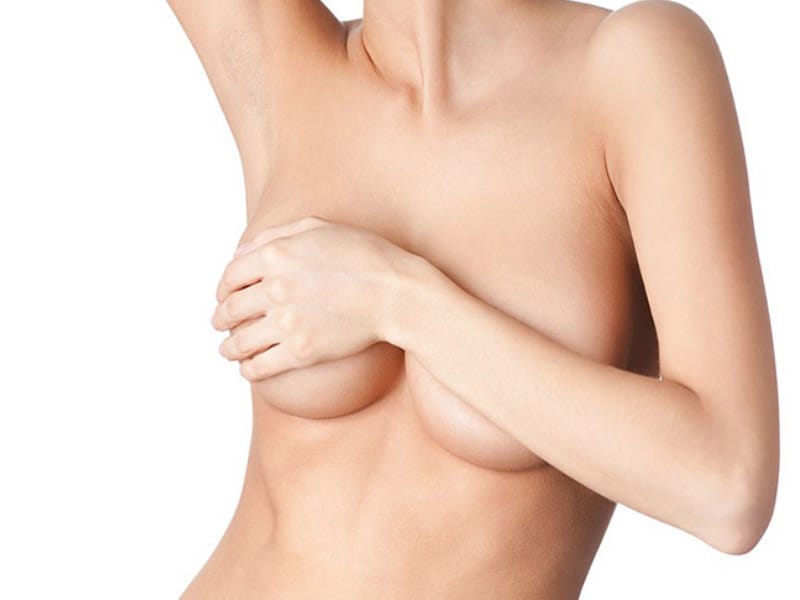
Women seeking breast reduction often have physical discomfort, such as back and neck pain or lasting marks from bra straps. Many also experience something less visible: discomfort with their body, self-consciousness, or difficulty exercising or finding clothes. Some have medical problems, such as recurrent infections in the fold beneath the breast.
Before talking about who is a candidate, it is important to understand what breast hypertrophy is.
Breast hypertrophy, virginal hypertrophy and gigantomastia
Breast hypertrophy is excessive breast growth caused by an abnormal tissue response to hormones, particularly estrogen. The increase mainly involves fibrous and fatty tissue, and to a lesser extent glandular tissue. It is more common in women who have finished having children and breastfeeding.
When it appears before age 20 it is called virginal hypertrophy, and it can start between 11 and 14. In adolescents, the decision to operate is assessed with special care.
It is referred to as gigantomastia when the tissue to be removed exceeds 1,800 grams per side.
Are you a candidate?
One practical way to find out is to review these criteria.
Major criteria:
— Very large breasts, generally a DD cup or larger.
— Shoulder pain.
— Back pain, particularly in the upper back.
— Significant self-consciousness in social or intimate situations.
— Recurrent infections in the fold beneath the breasts.
Minor criteria:
— Breast size interferes with or limits exercise.
— Shortness of breath during exercise.
— Difficulty finding clothes that fit.
— Bra straps that leave deep grooves or bruising.
If you meet one major criterion or more than two minor criteria, an assessment may be worthwhile: you could be a candidate for reduction.
Can I breastfeed?
If you have finished having children or do not plan to have them, breastfeeding is less of a concern when considering reduction. If you still plan to have children, you should know that surgery can affect breastfeeding, although many women can breastfeed afterward. In one study, around six in ten did so — a similar proportion to women with large breasts who had not undergone surgery. We discuss this in detail at your consultation, because the technique used also matters.
What the evidence says
Breast reduction can make a substantial difference to everyday life. Studies show less pain, improved quality of life and greater self-esteem, with benefits that persist for years after surgery.
References
- Neligan PC, ed. Plastic Surgery. 3rd ed. Elsevier/Saunders; 2013. ISBN 9781437717334.
- Cruz NI, Korchin L. Lactational performance after breast reduction with different pedicles. Plast Reconstr Surg. 2007;120(1):35-40.
- Saariniemi KM, Kuokkanen HO, Tukiainen EJ. The outcome of reduction mammaplasty remains stable at 2-5 years' follow-up: a prospective study. J Plast Reconstr Aesthet Surg. 2011;64(5):573-576.