
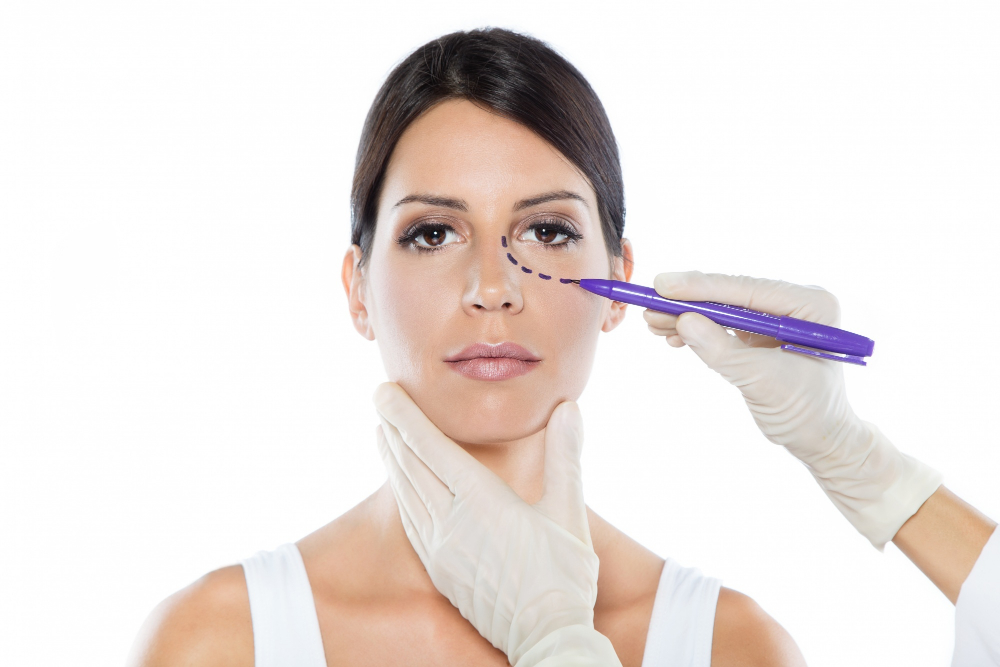
Lip fillers have become very popular in recent years. On social media, though, they are often presented as a way to add volume — sometimes to excess. Understandably, that has made some people wary. Done well, lip enhancement is about improving appearance, not simply making lips bigger.
What makes lips beautiful
Attractive lips depend on more than volume. Contour, definition, anatomical features and the surrounding areas all matter.
As plastic surgeons, we learn about the lips by reconstructing conditions such as cleft lip. Restoring shape and proportion teaches us exactly what contributes to the appearance of lips that do not need reconstruction.
How I assess your lips
First, I listen to what you want. Then I assess asymmetry, age-related changes and the proportions of your upper and lower lips. Finally, I look at something that is often overlooked: your smile.
An attractive smile depends on five elements:
— Teeth: their color, shape and symmetry. Your dentist is the specialist in this area.
— Gums: ideally, the upper lip meets the gumline, while the lower lip sits at the edge of the lower teeth.
— The area around the mouth: with age, it loses volume, the skin thins and vertical lip lines appear.
— Your facial features: aesthetic goals vary with each person's features and background.
— Lip shape: the upper lip has three sections and the lower lip has two. Treatment should always respect this structure.
Three approaches that can be combined
Definition. Refines and defines the lip border using a fine hyaluronic acid filler.
Projection. Brings the lip forward and enhances the Cupid's bow.
Volume. Adds fullness to the body of the lip.
How do I choose between projection and volume? I assess how much of your teeth is visible when you smile. If the proportion is right, defining and projecting the lips is appropriate. If you show more teeth than usual or some gum, adding volume generally improves the smile. A hyaluronic acid filler with greater support is used for projection and volume.
How much product is needed?
The amount varies from person to person. One milliliter is usually enough to define the lip border; projection or volume generally requires one to two. I rarely use more than 2.5 milliliters in total, because the goal is always a natural result.
Knowing when to stop
There comes a point when more filler no longer improves the result: when the lip loses its natural contours and looks like a single block, when the balance between the upper and lower lips is lost, or when the lips already look natural and in proportion to the face. Knowing when to stop is part of treatment. Sometimes the best recommendation is not to add anything more.
Who should perform the treatment?
Lip fillers require a thorough knowledge of anatomy because complications can be serious. Always choose a board-certified specialist who explains what they will do and why.